Iranian Writer Sara Ebadi-A Modern Female Voice Rising from the Heart of Myth and Pain

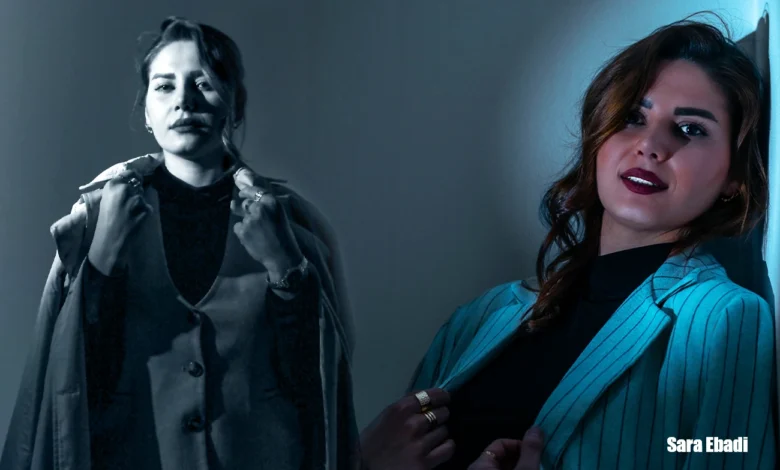
Iranian author Sara Ebadi: In a world where the boundary between reality and imagination becomes thinner every day, the voice of a poet and writer who speaks of myths, wounds, and women’s inner narratives is more resonant than ever.
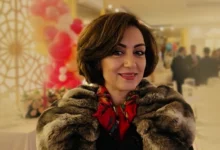
Poet, writer, and mythology researcher Sara Ebadi is a distinctive figure in contemporary Iranian literature. With her multilayered and profound perspective, she has carved her own path both within Iran and beyond its borders. From “Leylaj of Love” to “Oath to the Creator of Woman,” her works blend poetry, philosophy, and psychology, offering a fresh insight into the Eastern woman, love, and exile literature.


Oasis Publishing House
Oasis Publishing House, a subsidiary of Bilgili Management, publishes outstanding works by renowned authors from Turkey and Iran, with these titles being distributed in many countries around the world.
The magnificent novel by the famous Iranian author Sara Ebadi will be released and made available to readers in Turkey at the beginning of December.
In her sincere interview with İzmirTimes, she speaks about writing, censorship, migration, and the meaning of being a woman in today’s world.
Interview with Iranian Author Sara Ebadi
İzmirTimes: Sara, many readers know you as a writer who moves between myth and reality, between poetry and psychology. Where and how did this journey begin for you?
Sara Ebadi: After some time writing, I realized that poetic language alone does not create a hero in a story. You need to see how a person can live poetically within darkness. For me, this is exactly what transforms an ordinary human into a myth.
İzmirTimes: In your works, the woman is not only a heroine but also a narrator and seeker of meaning. “Oath to the Creator of Woman” is quite a bold title. How did you decide to publish this book outside Iran?
Sara Ebadi: The publication of my book coincided with the “Woman, Life, Freedom” movement, which increased sensitivities regarding granting permits to books about women’s independence. As a result, my book remained banned for a long time. I am happy that it is now accessible to everyone.
İzmirTimes: Your perspective on women seems both philosophical and emotional; as if every woman carries an inner myth. Can writing be seen as a form of liberation from cultural chains for you?
Sara Ebadi: Yes, you described it beautifully. A woman is a creator not only physically but also spiritually and mentally. Writing is the light of my darkest days.
İzmirTimes: In your novel “The Dangerous Confessions of Sachli,” the narrator’s mind moves within a psychological and poetic atmosphere. How much has psychology influenced the creation of your characters?
Sara Ebadi: Characters always exist, and they are the ones who give birth to stories. Psychology helped me gain a more realistic understanding of events and human behavior.
İzmirTimes: Your first visual work was the short film “Blue Butterflies.” How did you merge poetry with visual storytelling? Do you plan to return to cinema?
Sara Ebadi: Yes, cinema has always been both tempting and deeply beloved for me. I have several completed screenplays, and I have plans for them.
İzmirTimes: Many Iranian writers experience a linguistic void after migration. What does the Persian language mean to you in exile? Do you still write with the same passion and emotional intensity?
Sara Ebadi: In my view, language is a human invention — a tool for expression. But stories and emotions inherently exist within human nature.
İzmirTimes: If you had to choose three words to define your literary world, what would they be?
Sara Ebadi: Presence, fall, redemption.
İzmirTimes: Lastly, if you were to send a message to young women writers in Iran, what would you say?
Sara Ebadi: One must always acknowledge that obstacles are real, and overcoming them requires effort and pain — but nothing is impossible.
Final Note
Iranian author Sara Ebadi stands at the border of literature and mythology with an honest and bold perspective; here, the woman is no longer a symbol but the creator of the narrative itself.
Her works are a powerful invitation to rethink the concepts of womanhood, love, and freedom.