Saffron Plant: A Miracle Worth Its Worth in Gold
What is Saffron? Benefits, Uses, Nutritional Values, and Regions Where It Grows

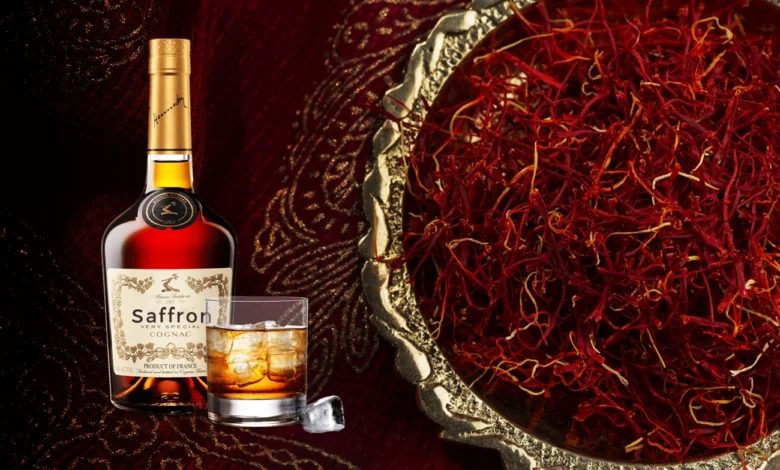
Golden Saffron Turkey: A Spice Worth Its Worth in Gold
Golded Saffron Turkey is a valuable spice obtained from the purple flowers of the Crocus sativus plant. Known as the world’s most expensive spice , saffron holds a significant place in both culinary and health care.
What is the Saffron Plant?
Saffron (Crocus sativus) is one of the world’s most valuable spices and is known as “red gold.” The true value of this purple-flowered plant is the thin red fibers, or stigmas, located at the center of the flower. These fibers are carefully hand-harvested, dried, and used as a spice.
Origin and History
Saffron originates from the Middle East and the Mediterranean region. It has been used for thousands of years both as a culinary flavoring and for medicinal purposes. It played an important role in dye, perfume, and medicine production in ancient Persian, Greek, and Roman civilizations.
Why Is It So Valuable?
The biggest reason why saffron is so expensive is that the production process is entirely based on manual labor .
- Approximately 150,000 flowers are required to produce 1 kg of dried saffron .
- The harvesting process is extremely laborious and must be done in a short period of time.
Saffron Benefits
- It is rich in antioxidants and supports the immune system.
- It improves mood and helps reduce stress.
- It regulates the digestive system.
- It helps protect eye health.
- It has a natural aphrodisiac effect.
- Vitamin A – Important for eye health and immune system.
- Vitamin C – A powerful antioxidant, provides immune support.
- Vitamin B1 (Thiamin) – Necessary for the nervous system and energy production.
- Vitamin B2 (Riboflavin) – Contributes to cell renewal and energy metabolism.
- Vitamin B3 (Niacin) – Supports blood circulation and digestive system health.
- Vitamin B6 (Pyridoxine) – Important for protein metabolism and the nervous system.
- Folic Acid (B9) – Necessary for cell division and DNA synthesis.
How to Use Saffron for Sexual Power?
Saffron ( Crocus sativus ) is a valuable spice known for centuries not only for adding flavor and color to dishes but also for its positive effects on sexual health . Its compounds, such as crocin, safranal, and picrocrocin , can support sexual desire in both men and women by increasing blood circulation.
What Does Scientific Research Say?
- In men : Some studies show that regular use of saffron can improve erection quality.
- In women : Saffron’s ability to improve mood and reduce stress levels may indirectly increase sexual desire.
Usage Methods
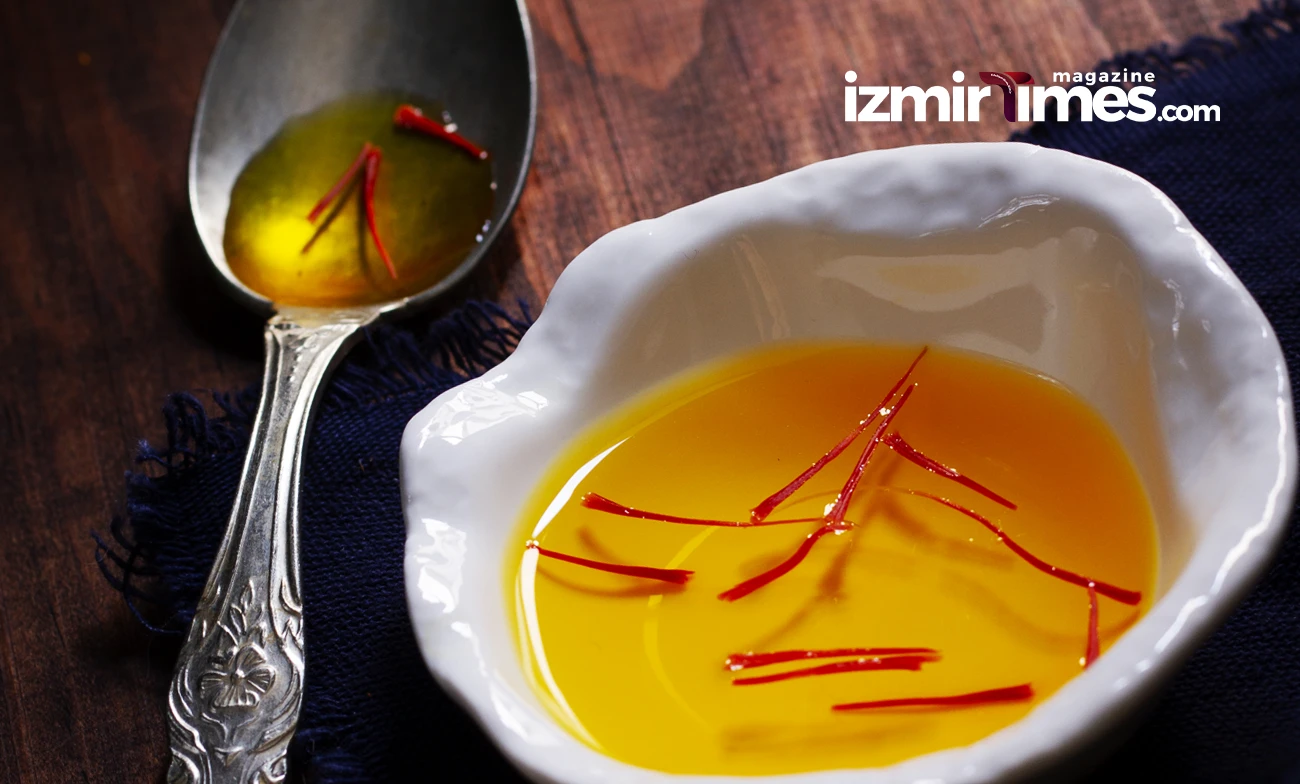
Saffron Tea
- Add 3-4 strands of saffron to 1 glass of hot water.
- Let it brew for 10 minutes, sweeten with honey.
- You can consume it 3-4 times a week.
Mix with milk
- Add 4-5 strands of saffron to warm milk.
- Drinking it before going to bed at night provides a relaxing effect and can increase sexual desire.
Mixed with Honey
- Add 5-6 strands of saffron to 1 tablespoon of honey.
- Consume 1 teaspoon per day.
⚠️ Things to Pay Attention to
- Do not exceed 1 gram per day . Excessive use may cause side effects such as nausea and dizziness.
- Pregnant women, those with allergies and serious health problems should consult a doctor before use.
How to Use Saffron for Sleep?
Saffron has a relaxing and balancing effect on the brain thanks to its natural compounds, such as crocin , picrocrocin , and safranal . Research shows that saffron can improve sleep quality and alleviate insomnia.
🧠 Why Does It Help With Sleep?
- Supports serotonin and melatonin levels.
- It calms the nervous system and reduces the stress hormone (cortisol).
- It can shorten the time it takes to fall asleep and improve the quality of sleep.
Ways to Use Saffron for Sleep
Saffron Milk
- Ingredients: 1 glass of warm milk + 2-3 strands of saffron.
- Preparation: Put the saffron strands in warm milk and let it sit for 5-10 minutes.
- Usage: Drink 30 minutes before bedtime.
Saffron Tea
- Ingredients : 1 glass of hot water + 3-4 strands of saffron + honey (optional).
- Preparation: Add the saffron strands to hot water and let it steep for 10 minutes.
- Usage : You can consume it after dinner.
Saffron Supplement (Capsules)
- Saffron capsules, available at pharmacies or herbalists, typically contain 15–30 mg of saffron extract .
- The dosage must be used according to the advice of a doctor or pharmacist .
💡 Bonus Tip: Regularly consuming saffron in small doses can naturally improve sleep patterns. Best results are usually seen after 2-4 weeks of regular use.
How to Identify Genuine Saffron?
It’s one of the world’s most expensive spices, and as such, fake or adulterated saffron products are often found on the market. Identifying genuine saffron is crucial for both your health and getting the most bang for your buck.
The safest way to buy is from trusted producers or certified retailers. The packaging should include information on origin, harvest year, and purity certificate.
Appearance and Color Control
- Strand Shape : Genuine saffron has thin, tubular red strands called stigmas. The ends are slightly flared, like trumpets.
- Color : Varies from dark red to burgundy. May have a slight orange-yellow hue at the tips.
- Gloss : Should be matte; if it is too shiny, it may have been painted.
Smell Test
- Real saffron has a sharp, warm scent, a blend of honey and hay.
- If it has no smell or smells like chemicals, it is fake.
On Texts
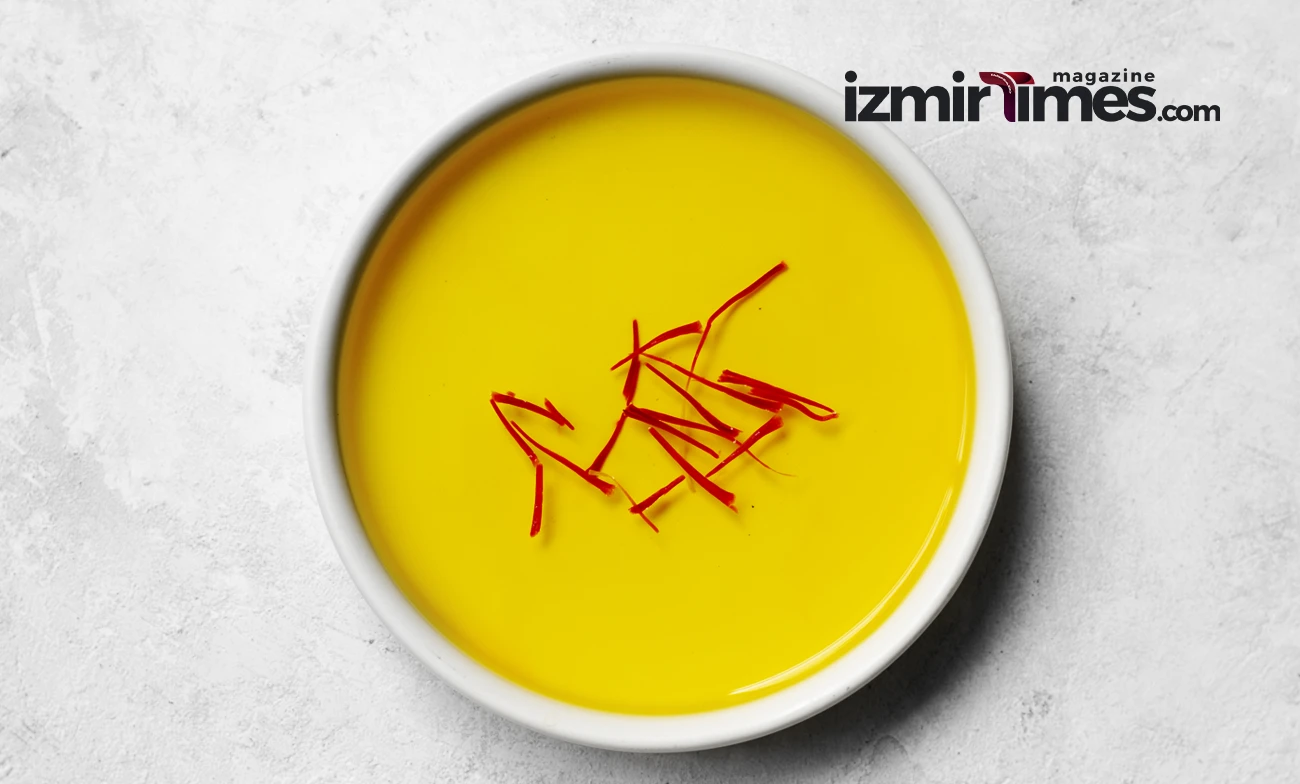
- Drop a few strands of saffron into warm water.
- Real saffron slowly releases its color (3-5 minutes), giving a golden yellow hue to the water, but the strand itself does not completely lose its color.
- Fake saffron or dyed threads instantly impart a red colour to the water and its own colour fades.
Tat Texts
- Real saffron tastes bitter, not sweet.
- If it tastes sweet, it means it has been mixed with sugar or another substance.
Price Truth
It’s not cheap. Products priced well below market price are usually fake or adulterated saffron.
How to Consume Saffron?
Saffron can be used in cooking, desserts, tea, and beverages. Soaking a few strands of saffron in warm water before use will enhance its aroma and color.
- Make saffron tea as a hot drink.
- In dishes such as rice, paella and risotto.
- As a natural colorant in desserts.
- As a flavoring in milk drinks.
Where Does Saffron Grow?
It grows in climates with hot summers and cold winters. Iran, India (Kashmir), Spain, and Greece are among the largest global producers. In Turkey, Karabük and Safranbolu are famous for their saffron.
Conditions of Training
- The saffron plant prefers temperate climates. For its high-quality production:
- Soil: Light, permeable and calcareous soils
- Climate: Temperate, cold winters but mild temperatures
- Watering: Regular but not excessive watering
is required.
In Türkiye, Safranbolu (Karabük) is particularly famous for its saffron. Iran, India (Kashmir), Spain, and Greece are also among the leading producers.